
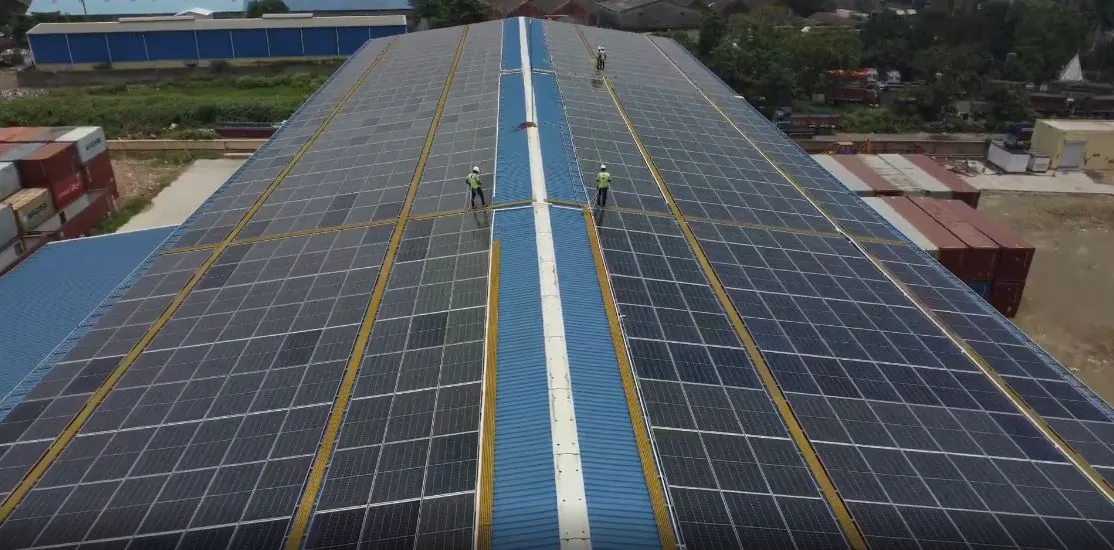
Before investing in solar, an industrial unit should ask five questions: how much electricity it uses and when, which ownership or financing model suits it, whether its roof or land can carry the plant for 25 years, which approvals and compliance rules apply, and what the total cost and return will be over the plant's life rather than only the upfront price. Answering these properly is the difference between a plant that pays back in three to four years and one that disappoints.
A solar plant is a 25-year investment, and most of the decisions that determine whether it performs well are made before a single panel is installed. In our experience designing plants for manufacturing units, mills and cold storages, the projects that deliver the best returns are the ones where the owner asked the right questions at the start. Here are the five that matter most.
1. How much electricity do you actually use, and when?
Many businesses size their solar plant by looking at the monthly electricity bill, but the bill only shows the total. What really matters is when you use that power. Solar generates between roughly 8 am and 5 pm, so a unit running one or two day shifts can use almost all of its solar power directly, while a unit that runs mostly at night will export more power to the grid, which is usually worth less.
Start with at least 12 months of electricity bills, your sanctioned load or contract demand, and, if you have an HT connection, the 15 or 30 minute load data from your meter. A good solar partner will also study seasonal changes, planned expansion and any heavy equipment that starts and stops through the day. Getting this right prevents the two most common mistakes: a plant that is too small to make a real difference, or one that is too large and exports power at a poor rate.
2. Which ownership model is right for your business?
There is no single best way to go solar. The right model depends on your cash position, your tax situation and how long you plan to stay at the site.
- CAPEX: you invest upfront and own the plant. This gives the highest lifetime savings and lets you claim 40% accelerated depreciation.
- OPEX (PPA): a third party invests in and maintains the plant, and you buy the power at a fixed tariff below your grid rate, with no upfront cost.
- Leasing: you pay a fixed monthly rent for the plant, with a generation guarantee and GST input credit.
- Open access: if your roof is too small for your demand, solar power can be generated at a plant elsewhere and delivered to you through the grid.
You can compare these in detail on our financial models page. A good proposal should show you the numbers for more than one model, so you can choose with full information.
3. Can your roof or land carry a plant for 25 years?
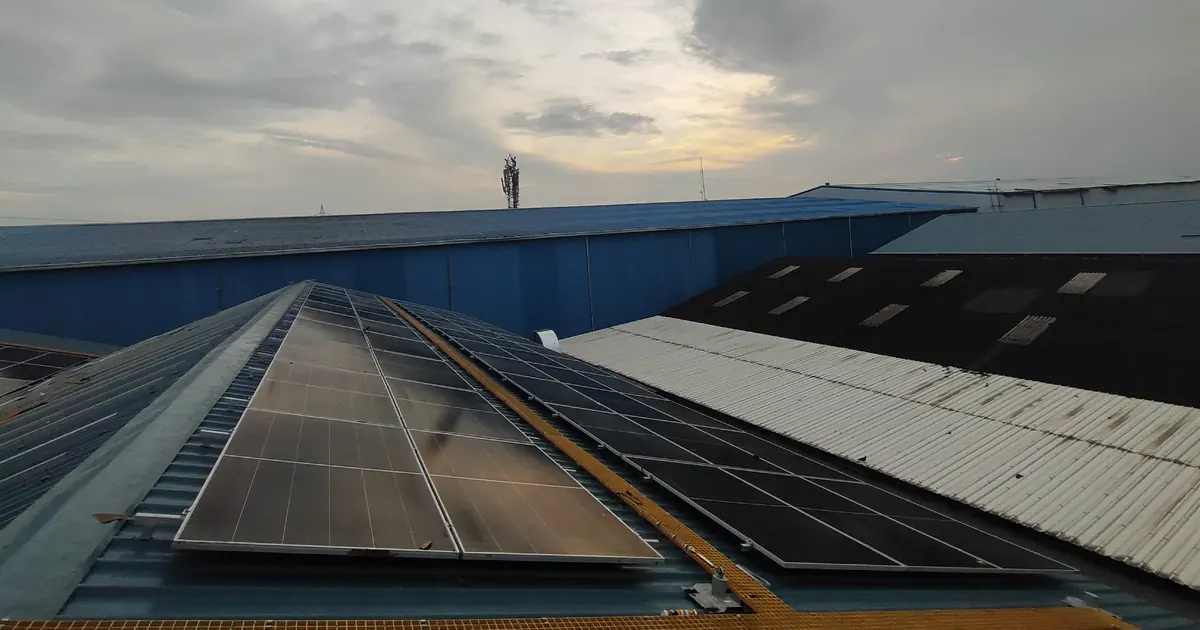
Solar modules are warrantied for 25 years or more, so the roof under them needs to last just as long. Before installing, ask whether your roof sheets are near the end of their life, whether the structure can safely carry the extra load, and whether water tanks, chimneys, neighbouring buildings or future construction will cast shade on the plant.
An engineering-led survey should include a structural assessment, a shadow analysis and a review of how the plant will be anchored against wind. If the roof needs repair or replacement, it is far cheaper to do it before the plant goes up than to dismantle and reinstall the plant a few years later. For sites with open land, a ground-mounted plant can be a better option.
4. Which approvals and rules apply to your project?
A grid-connected solar plant needs more than installation. Depending on your state and plant size, you will need approvals from your electricity distribution company (DISCOM) for net metering or connectivity, electrical inspection for larger plants, and in some cases permissions under your state's open access regulations. Each state sets its own limits on plant size, billing and banking of power.
There is also a new compliance requirement to plan for. For plants commissioned from 1 January 2027, net-metered and open access projects must use modules from approved Indian manufacturers that are built with approved Indian solar cells, under ALMM List-I and List-II. A plant built with non-compliant modules may not receive net metering approval, so ask your installer to confirm compliance in writing. An experienced EPC partner should handle this paperwork for you and tell you realistic timelines upfront.
5. What is the total cost of the project, not just the price per kW?
When businesses compare solar quotations, the price per kW is often the only number they look at. But two plants with the same price can perform very differently over 25 years. The real cost of a solar plant includes the quality of modules and inverters, the strength and galvanisation of the mounting structure, cable sizing, earthing and lightning protection, monitoring, cleaning and maintenance, and the warranties behind each component.
A plant built with cheaper components may cost a little less on day one but generate less power every year, need more repairs and lose value faster. Ask each supplier for the expected generation in units per year, the annual degradation, the operation and maintenance plan and the payback calculation. Then compare the cost per unit of electricity over the life of the plant, which is the number that really reflects value. Our article on commercial solar cost and ROI in 2026 explains how to estimate this.
Plan well, and solar pays you back for decades
A well-planned solar plant can cut a significant share of your electricity cost, protect you from tariff increases and pay back in three to five years, while generating clean power for 25 years. Asking these five questions at the start helps you choose the right size, model and partner, and avoid the mistakes that reduce returns.
At Nimbus Solar, every project begins with a detailed assessment of your energy use, roof and approvals, followed by proposals under more than one financing model, so you can make the decision with complete information.
Frequently asked questions
How do I know what size solar plant my factory needs?
The right size depends on how much electricity your unit uses during daylight hours, not just the monthly total. A solar partner should study at least 12 months of bills, your sanctioned load and, for HT connections, your meter load data before recommending a size.
Do I need approval to install solar on my factory roof?
Yes. Grid-connected plants need approval from your electricity distribution company for net metering or connectivity, and larger plants usually need electrical inspection. The exact requirements vary by state and plant size, and your EPC partner should manage the process.
What is ALMM List-II and why does it matter?
ALMM List-II is the government list of approved Indian solar cell manufacturers. Net-metered and open access projects commissioned from 1 January 2027 must use modules built with these approved cells, after MNRE extended the earlier 1 June 2026 deadline to 31 December 2026. If your plant will be commissioned in 2027 or later, confirm that your installer uses compliant modules.
Should I replace my roof before installing solar?
If your roof sheets or structure are close to the end of their life, it is usually better to repair or replace them before installation. Removing and reinstalling a solar plant later costs far more than fixing the roof first.
Can I install solar without investing upfront?
Yes. Under the OPEX model a third party invests in and maintains the plant and you pay only for the power at a fixed, lower tariff. Leasing is another option with a fixed monthly rent and no large upfront payment.
Want to know what solar would save your business?
Share your electricity bill and our engineers will send you a free assessment with savings, payback and the right financing model for your site.
Get a Free Assessment WhatsApp Us